
Tips for Hurricane Preparedness and Safety
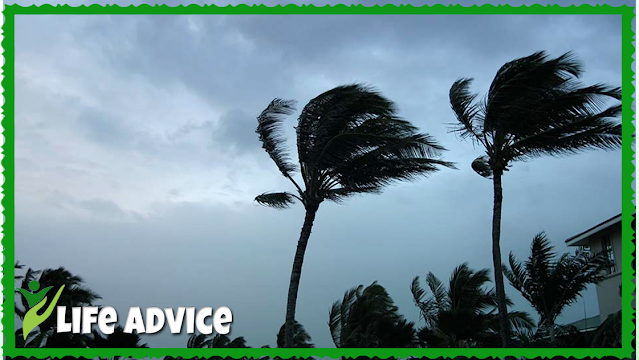
A hurricane is a powerful tropical cyclone that originates in the Atlantic or Northeast Pacific Oceans, often moving toward coastal areas with destructive force. If you live in a region prone to hurricanes, it’s essential to take proactive measures to ensure the safety of yourself, your family, and your property.
Preparation Tips:
- Stock Up On Essentials: Prepare by gathering non-perishable food, bottled water, medications, flashlights, batteries, and a fully equipped first aid kit. Ensure you have enough supplies to last at least several days.
- Secure Emergency Funds: Keep cash available, as electronic payment systems may be inaccessible during power outages.
- Evacuation Plan: Establish a clear evacuation plan in case you need to leave your home. Know the nearest shelter locations and routes.
- Update Insurance: Review your insurance policies to ensure they cover potential hurricane damage.
Staying Safe During a Hurricane:
- Shelter Indoors: Remain inside and keep away from windows to avoid flying debris. In high-rise buildings, move to lower floors or interior rooms without windows for added protection. If necessary, use sturdy items like a mattress for shielding.
- Monitor Weather Updates: Stay informed by tuning in to local news channels or radio stations for important updates, warnings, and official instructions.
The Importance of Knowledge:
Having accurate information is crucial during emergencies. It equips you to make better decisions, face challenges effectively, and adapt to unexpected situations, ultimately ensuring your safety and well-being.
Responsible Stockpiling:
Building a stockpile is a viable way to prepare for emergencies. However, this should be done with planning. Maintain an inventory of essential supplies and have a clear strategy for their use when an emergency arises.
Actions During Tornadoes:
If your area is hit by a tornado during or after a hurricane:
- Move to a designated safe space such as a basement, storm cellar, or an interior room on the lowest floor of your home without windows.
- In mobile homes or trailers, relocate to a more secure structure such as a storm shelter or nearby sturdy building if possible.
- Wear protective gear, like a helmet, to minimize risks of injury from debris.
After the Storm:
- Steer Clear of Hazards: Avoid areas with downed power lines and report them to your utility provider immediately.
- Flood Safety: Never attempt to walk or drive through floodwaters. Even six inches of moving water can knock you down, while one foot can sweep away most vehicles. If you must pass through water on foot, choose non-moving areas and use a stick or similar tool to gauge the depth.
By staying informed, prepared, and cautious, you can effectively protect yourself and your loved ones during hurricane season.