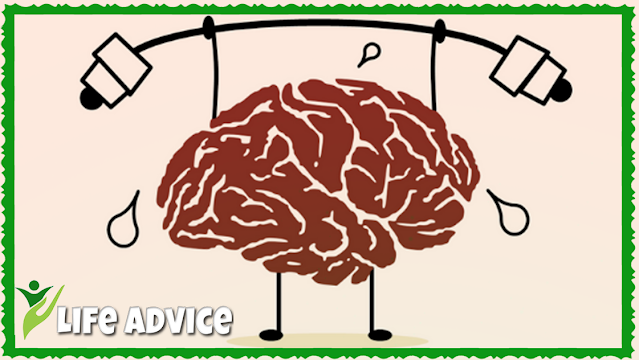

Becoming mentally stronger involves cultivating habits and mindsets that foster resilience, adaptability, and emotional well-being. It requires an ability to navigate challenges with a constructive attitude while maintaining focus on what you can control. Here are some practical strategies to help you develop and strengthen your mental fortitude:
Focus on the present and your goals ahead
Mentally strong individuals understand the importance of letting go of past regrets or setbacks. Instead of dwelling on things they cannot change, they channel their energy into the present moment and take actionable steps to create a better future. Adopting a forward-looking mindset allows for personal growth and empowers you to tackle challenges head-on.
Adopt a growth-oriented mindset
Believing that skills, abilities, and intelligence can be developed through persistence and effort is essential for mental strength. A growth mindset encourages individuals to view failures as opportunities for learning rather than obstacles, making it easier to recover from setbacks and keep progressing toward personal goals.
Foster optimism
Cultivating optimism doesn’t mean ignoring life’s difficulties, but rather approaching situations with hope and confidence about the future. Optimistic people often experience greater happiness and success. Moreover, optimism has been linked to improved physical health and a better ability to cope with stress. Start by recognizing the positives in your life, no matter how small, and build from there.
Balance your relationship with negative thoughts
Everyone experiences negative thoughts, but mentally strong people don’t allow them to take control. Acknowledge these thoughts when they arise, but avoid giving them excessive power or dwelling on them. For instance, if you’re critical of yourself for being disorganized, reframe your perspective by saying, “I may not be perfect, but I’m doing my best.” This approach acknowledges imperfection without tearing yourself down.
Practice self-compassion
How often do you say things to yourself that you wouldn’t dare say to others? Many people are far harsher in their internal dialogue than they would ever be out loud. Shift this mindset by treating yourself with kindness. Speak to yourself as you would a close friend—encouraging, supportive, and understanding.
Seek help when needed
If persistent negative thinking or self-doubt begins to affect your ability to function in daily life, it’s important to seek professional support. Therapists and counselors can provide tools and techniques to help you understand, confront, and change unproductive thought patterns. There’s no shame in asking for help when it comes to your mental well-being—it’s a sign of courage and strength.
Developing mental resilience takes time and effort, but every step toward becoming mentally stronger can lead to personal growth, improved emotional health, and a more positive outlook on life. Start small, practice patience, and celebrate each victory along the way.